General Dentist Aurora: Easy Preventive Steps for Stronger Teeth


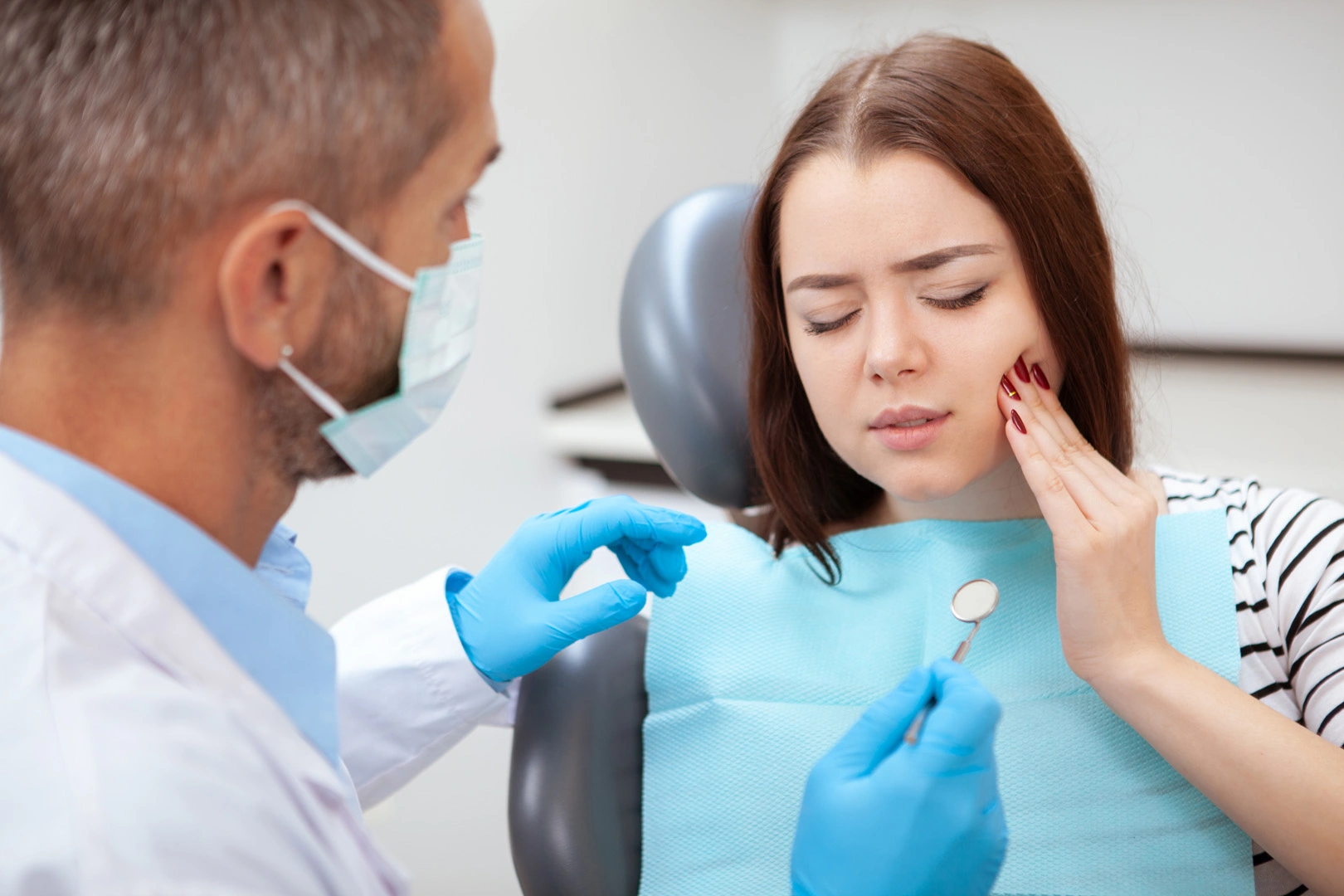
Strong teeth rarely happen by accident. They are usually the result of small habits, repeated day after day, long before pain shows up or a filling becomes necessary. That is one of the clearest lessons in general dentistry. Patients often expect major problems to arrive with major warning signs, but most dental trouble starts quietly. A little plaque along the gumline, a habit of sipping sweet coffee all morning, a night of clenching that goes unnoticed for years, these are the things that gradually change a healthy mouth into one that needs repair.
A good preventive routine is not complicated, and it does not need to be expensive or extreme. It does need consistency. For families looking for a General Dentist Aurora residents can rely on, prevention is usually the first and best place to focus. The goal is simple: keep enamel strong, keep gums stable, catch problems early, and reduce the chances of needing more invasive treatment later.
What follows is practical advice grounded in how teeth actually wear down, how gums become inflamed, and how real patients succeed, or struggle, with home care.
Why prevention works better than repair
Dentistry can restore a lot. Fillings can rebuild a small area of decay. Crowns can protect a cracked or weakened tooth. Night guards can help reduce the effects of grinding. But none of those treatments are better than avoiding damage in the first place.
Enamel is durable, yet it does not regenerate once it is lost. Gums can recover from early inflammation, but long-standing periodontal damage becomes much harder to reverse. Preventive dentistry works because it interrupts the process before the damage becomes structural. Remove plaque before it hardens into tartar, limit acid before it weakens enamel, and identify bite stress before a tiny fracture turns into a broken cusp.
There is also a practical side that patients appreciate. Preventive care is usually easier on the schedule and the budget. A routine cleaning and exam may take less than an hour. A root canal and crown can take several visits, plus follow-up time if symptoms linger. Most people would rather spend a few minutes a day brushing well than spend weeks managing a dental emergency.
The quiet causes of weak teeth
People often assume cavities come from sugar alone. Sugar matters, of course, but the full picture is broader. Teeth weaken when bacteria feed on carbohydrates and create acid, when that acid sits too long on the enamel, and when the mouth does not get enough help from saliva, fluoride, and good hygiene to recover.
Frequency matters as much as quantity. Someone who drinks one sweet beverage quickly with a meal may do less harm than someone who sips a lightly sweetened latte over three hours every morning. The second habit bathes the teeth in a much longer acid attack. The same idea applies to sports drinks, dried fruit, crackers, and even constant grazing on seemingly harmless snacks.
Mechanical wear is another factor. Some adults have very little decay history yet still develop weak, sensitive teeth because they clench or grind. Others brush aggressively with a hard-bristled brush and slowly wear away enamel near the gumline. Then there is dry mouth, which can be triggered by medications, mouth breathing, certain health conditions, or dehydration. Saliva is a natural defense system. When it drops, decay risk often rises quickly.
A General Dentist Aurora patients trust will usually look at all of these patterns, not just whether there is a visible cavity at that moment. Prevention is not only about cleaning teeth. It is about understanding why one patient gets repeated problems while another does not.
The daily routine that protects enamel and gums
Most mouths do well with a straightforward routine. The challenge is doing the basics carefully rather than rushing through them. A two-minute brush can be very effective if it reaches the gumline, all tooth surfaces, and the back molars. A thirty-second brush, even with an expensive toothbrush, usually misses too much.
Here is a simple routine worth sticking to:
- Brush twice a day with a fluoride toothpaste, using a soft-bristled brush and gentle pressure.
- Clean between the teeth once a day with floss or another interdental aid that actually fits your spaces.
- Rinse with water after acidic or sugary drinks, especially if you cannot brush soon after.
- Wait about 30 minutes to brush after highly acidic foods or drinks, since enamel is softer right after acid exposure.
- Replace your brush head every three months, or sooner if the bristles flare.
The details matter. People often focus on toothpaste brands and ignore technique. I have seen patients switch products repeatedly while still brushing in a way that leaves a visible line of plaque near the gums. On the other hand, when someone improves technique, plaque scores often drop noticeably at the next visit even if nothing else changes.
Flossing is another example. Many adults say they floss, but what they mean is they snap the floss through a few contacts once or twice a week. Effective flossing means guiding the floss gently under the gumline and curving it against each tooth surface. It takes longer, but it is the difference between motion and actual plaque removal.
Fluoride, sealants, and the value of low-drama dentistry
There is a reason fluoride remains central in preventive care. Used appropriately, it helps remineralize early weakened enamel and makes teeth more resistant to acid. For children, that may mean fluoride varnish at dental visits and supervised brushing at home. For adults, especially those with dry mouth, recession, orthodontic appliances, or frequent decay, it may mean a prescription-strength toothpaste or a fluoride rinse recommended by a dentist.
Sealants can also be extremely useful, particularly on the deep grooves of back teeth. Molars often have pits and fissures that trap food and bacteria, even in people who brush regularly. A sealant does not replace brushing or flossing, but it can reduce risk in an area that is notoriously hard to keep clean.
Preventive care is often less dramatic than restorative treatment, so it gets less attention. No one posts excitedly about a fluoride varnish appointment. Yet some of the healthiest mouths belong to patients who quietly stay on top of these small interventions for years. They do not wait for a problem to become visible, painful, or expensive.
Food and drink choices that make a real difference
Diet advice can become unrealistic very quickly. Most people are not going to eliminate every sweet or acidic item from their lives, and they do not need to. The better approach is to reduce the damage without turning eating into a source of stress.
Timing matters. Sugary or acidic items are usually kinder to teeth when consumed with a meal rather than on their own. Saliva flow rises during meals, which helps buffer acids and clear debris. Constant snacking, by contrast, keeps the mouth in a prolonged cycle of acid exposure.
Texture matters too. Sticky foods cling to grooves and between teeth longer. A handful of raisins can behave very differently in the mouth than a square of chocolate that melts and clears more quickly. Beverages deserve special attention because they are easy to underestimate. Soda is an obvious concern, but fruit juice, sweetened tea, flavored sparkling waters, energy drinks, and frequent coffee with syrup can also contribute.
A practical pattern that often helps is this: enjoy the treat, finish it, drink water, and move on. What tends to cause trouble is the all-day habit. The patient who slowly sips sweet coffee from 7 a.m. To 11 a.m. Often has more decay around the front teeth and molars than the patient who drinks it in one sitting with breakfast.
Gums are the foundation, not a side issue
Strong teeth are not enough if the gums and supporting bone are unhealthy. Bleeding gums are common, but they should never be treated as normal. In many cases, bleeding is the earliest sign of inflammation from plaque accumulation. At that stage, gum disease is often reversible with improved home care and professional cleanings. Left alone, it can progress into deeper pockets, attachment loss, bad breath, tooth mobility, and eventual tooth loss.
One of the most useful shifts for patients is to stop thinking of brushing as a tooth-polishing exercise. The goal is to disrupt plaque at the gumline. That is where gingivitis begins. If the bristles never angle toward that area, the mouth can look cleaner than it really is.
There is also an important judgment call in gum care. Not every patient needs the same tools. Someone with tight contacts and healthy gums may do well with traditional floss. A patient with larger spaces, gum recession, or bridgework may clean more effectively with interdental brushes, floss threaders, or a water flosser. The best tool is the one that is both appropriate and realistic enough to be used regularly.
The role of regular exams and cleanings
Home care does most of the daily work, but it has limits. Plaque that hardens into tartar cannot be brushed off at home. Early decay can develop in places that are hard to see. Tiny cracks may not hurt until they suddenly do. This is where regular exams and cleanings matter.
How often someone should come in depends on risk. Six months is common, but not universal. Patients with active gum disease, heavy tartar buildup, dry mouth, or frequent decay may need shorter intervals. Others with excellent home care and low risk may remain stable on a standard schedule. A thoughtful General Dentist Aurora families return to will usually tailor recall visits rather than applying a one-size-fits-all rule.
X-rays fit into this discussion as well. They are not taken just for routine. They help detect decay between teeth, monitor bone levels, assess existing restorations, and spot issues that are not visible in the mirror. The timing depends on age, dental history, symptoms, and risk factors. Good preventive care uses imaging judiciously, not reflexively.
A pattern that often stands out in practice is that people who keep regular maintenance visits usually need smaller interventions. The issue is not that the dentist is magically preventing every problem. It is that problems are being found while they are still manageable.
Children, teens, and the habits that last
Preventive dentistry starts early, but it changes with age. Young children need hands-on supervision because their brushing is often enthusiastic rather than effective. Parents are sometimes surprised to learn that a child may need help brushing well into the elementary years, especially with back molars and nighttime brushing when everyone is tired.
Teens bring a different set of challenges. Orthodontic appliances trap plaque. Sports drinks become common. Sleep schedules get erratic. Some teenagers do an excellent job with oral hygiene, while others need repeated reminders that braces do not protect teeth from decay. In fact, poor cleaning around brackets can leave white spot lesions that remain visible after orthodontic treatment ends.
The encouraging part is that children who grow up with simple, consistent routines tend to carry them into adulthood. They do not think of flossing as a punishment or a temporary fix. It is just part of the day, like washing their face or locking the front door at night.
Adults often need prevention tailored to real life
Adult mouths come with more history. Fillings from years ago begin to age. Gums may recede. Medications affect saliva. Stress shows up in clenching, fractured enamel, and sore jaw muscles. Preventive care for adults works best when it acknowledges these realities instead of repeating generic advice.
Take recession, for example. When gums recede, root surfaces become exposed. Roots are softer than enamel and can decay faster, especially in dry mouth patients. Those areas may also become sensitive to cold air, cold drinks, or brushing. Patients sometimes respond by avoiding the area, which makes the problem worse. A softer technique, a desensitizing or higher-fluoride toothpaste, and closer monitoring usually work better.
Grinding is another common issue. Some adults first notice it because a partner hears it at night. Others only learn about it when small fractures, flattened teeth, or jaw soreness appear. Not every grinder needs the same treatment, but many benefit from a custom night guard, stress management, or evaluation of bite-related wear. Prevention here is about protecting what is still intact.
When a small symptom deserves attention
One reason people delay dental visits is that they hope a mild symptom will disappear. Sometimes it does. Often it does not. A bit of cold sensitivity might be worn enamel, an early cavity, gum recession, or a cracked filling. Occasional bleeding may reflect simple gingivitis, but if it persists, the gums need a closer look.
General Dentist Aurora Aspenwood Dental Associates and Colorado Dental Implant CenterIt helps to know which signs deserve a call sooner rather than later:
- Bleeding gums that continue for more than a week despite better brushing and flossing.
- Sensitivity that is new, worsening, or limited to one area.
- A tooth that feels rough, chipped, or suddenly different when you bite.
- Persistent bad breath or a bad taste that does not improve with cleaning.
- Pain, swelling, or pressure, even if it comes and goes.
What patients often regret is not calling sooner. A tiny chip can usually be smoothed or bonded easily. A neglected crack can travel further and turn into a crown or extraction case. The same principle applies across dentistry: early attention expands your options.
Mouth breathing, dry mouth, and other overlooked factors
Some preventive challenges are easy to miss because they do not look like classic “bad habits.” Mouth breathing is one. Children and adults who sleep with their mouth open may wake with a dry mouth, inflamed gums, or increased plaque buildup along the front teeth. If mouth breathing is chronic, it may tie into allergies, nasal obstruction, sleep issues, or airway concerns that deserve broader evaluation.
Dry mouth is especially important in older adults, but it is not limited to them. Antidepressants, antihistamines, blood pressure medications, and many other prescriptions can reduce saliva. Patients often describe needing water at night, trouble swallowing dry foods, or a sticky feeling in the mouth. The decay risk can rise fast, sometimes around the gumline or older fillings.
In those cases, standard brushing advice is not enough. Patients may need more frequent cleanings, stronger fluoride support, sugar-free xylitol products, hydration strategies, or medication review with their physician when appropriate. Good prevention is not rigid. It adapts to the mouth in front of you.
What to expect from a prevention-focused dental office
A prevention-minded practice does more than polish teeth and send patients home. It pays attention to patterns. Are there repeated cavities in the same areas? Is the patient using the wrong cleaning aid for their gum anatomy? Is there evidence of grinding, erosion, or dry mouth? Are old restorations beginning to fail at the margins?
These details matter because dental disease is rarely random. When a General Dentist Aurora patients rely on takes time to explain those patterns, people tend to make better decisions. They understand why one person needs fluoride more than another, why six months may be too long in one case and perfectly reasonable in another, and why a “small” issue can still be worth treating now.
Patients also benefit from practical coaching rather than generic instructions. Sometimes the breakthrough is as simple as switching from a medium brush to a soft one, changing floss type, brushing before breakfast instead of after, or keeping a travel brush at work to interrupt a damaging routine.
Stronger teeth come from steady habits
The strongest preventive plan is usually the one a person can maintain without friction. It does not require perfection. It requires repetition. Brush well, clean between the teeth, watch the frequency of sugar and acid, protect against grinding if needed, and do not skip regular exams just because nothing hurts yet.
Over time, these choices stack up. Gums stay calmer. Enamel holds up better. Small issues are caught before they become disruptive. That is the quiet payoff of prevention. It is not dramatic, but it is reliable.
For anyone searching for a General Dentist Aurora families can feel comfortable with, the best relationship often starts with this mindset. Prevention is not a sales pitch or a slogan. It is a practical way to keep your teeth stronger, your treatment simpler, and your mouth healthier for the long run.
Aspenwood Dental Associates and Colorado Dental Implant Center
Address: 2900 S Peoria St Ste C, Aurora, CO 80014
Phone number: +13037314037
FAQ About General Dentist Aurora
What is meant by general dentistry?
General dentistry refers to the primary, foundational tier of oral healthcare, focused on the prevention, diagnosis, and treatment of conditions affecting the teeth, gums, and jaw. General dentists serve as a patient's main, long-term dental care provider—much like a primary care physician.
What is general dentistry and orthodontics?
General dentistry and orthodontics are two specialized branches of dental care. General dentistry serves as your primary care for overall oral health, focusing on routine cleanings, fillings, and disease prevention. Orthodontics is a specialized field focused entirely on diagnosing and correcting misaligned teeth and jaw structures using braces or clear aligners.
What are type 3 dental services?
Type 3 dental services typically include major restorative treatments that repair or replace damaged or missing teeth. These services are more complex and costly than preventive or basic dental care. Common examples of type 3 dental services include: Dental crowns.