General Dentist Care for Teens, Adults, and Seniors
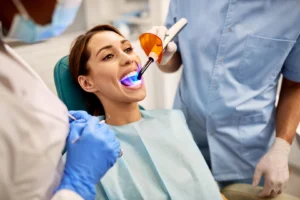
A good general dentist does far more than clean teeth and fill cavities. In day-to-day practice, general dentistry is really about managing change. Mouths change with age, medications, hormones, habits, health conditions, income, and even work schedules. The best care is not identical for everyone. It shifts as a person moves from adolescence into adulthood and then into older age, while still holding onto the same basics: prevention, early diagnosis, comfort, function, and trust.
That broad role is what makes general dental care so valuable. A teenager may need guidance through braces-friendly hygiene, sports protection, and the first signs of wisdom tooth trouble. An adult may need help controlling grinding, replacing old fillings, handling gum inflammation, or staying consistent with care despite a packed calendar. A senior may be managing dry mouth from medications, root decay, worn restorations, dentures, or the oral side General Dentist effects of chronic disease. The principles are connected, but the details matter.
When families ask whether one office can truly care for all three generations well, the honest answer is yes, if that office practices thoughtful, individualized general dentistry. A skilled general dentist is trained to recognize patterns, treat common conditions, coordinate referrals when needed, and help patients make realistic choices that fit their age, health, and goals.
The value of lifelong dental care
People often think of dentistry in episodes. A broken tooth gets fixed. A cleaning gets done. A crown is placed, and the problem seems over. Real oral health does not work that way. Teeth and gums respond to long-term habits and long-term care. A filling placed at age 18 may need repair by 35. A mildly inflamed gumline in the thirties can become significant periodontal trouble by the fifties if nobody pays attention. A well-fitting denture at 68 may need adjustment at 74 because the jaw ridge has changed shape.
Continuity matters because the mouth keeps a record. It shows wear from clenching, acid exposure from reflux, subtle recession from brushing too aggressively, staining from coffee, and reduced saliva from blood pressure or allergy medications. A general dentist who sees a patient over time can compare, track, and intervene early. That continuity often prevents small issues from becoming expensive ones.
There is also a practical side that patients appreciate. Most people do not need a specialist for routine exams, digital X-rays, cleanings, fillings, early gum care, sealants, night guards, crowns, or removable dentures. They need a dependable dentist who can solve the majority of common problems, explain options plainly, and refer out only when it adds real value. That is the everyday strength of general dentistry.
Teen years, when prevention and habits start to stick
Teenagers are in an awkward dental phase, and not just socially. They are old enough to make their own food choices and skip parts of a routine, but young enough that the long-term consequences still feel abstract. Add orthodontic appliances, sports, sugary drinks, late-night snacking, and inconsistent brushing, and the risk picture becomes pretty clear.
For many teens, the main challenge is not lack of information. They usually know they should brush and floss. The issue is compliance, technique, and repetition. A general dentist often spends part of the visit coaching rather than simply treating. That can mean showing a teen how to angle a brush around brackets, explaining why bleeding gums are a sign to floss more rather than stop flossing, or pointing out the white chalky areas that signal early enamel demineralization.
Orthodontic treatment deserves special attention here. Braces and clear aligners improve alignment, but they can also create hygiene blind spots. Brackets trap plaque. Aligners can encourage all-day sipping if a teen keeps removing and replacing them while drinking sweet beverages. Iced coffee, sports drinks, soda, and flavored energy drinks create a pattern that dentists see constantly: decent brushing, but frequent acid and sugar exposure between meals. The result is not always dramatic decay right away. Sometimes it is slower enamel damage and inflamed gums that catch up later.
Sports are another area where preventive dentistry proves its worth. A custom mouthguard is a small investment compared with the cost and stress of dental trauma. Teen athletes in basketball, soccer, baseball, softball, lacrosse, skateboarding, and martial arts all benefit from proper protection. Store-bought mouthguards are better than nothing, but they are often bulky and loose, which makes teens less likely to wear them consistently. Fit matters more than parents sometimes realize.
Wisdom teeth usually enter the conversation in the late teen years as well. Not every wisdom tooth needs to be removed, and this is where judgment matters. Some erupt normally and stay healthy. Others remain trapped, partly erupt, or create a cleaning nightmare behind the second molars. A general dentist monitors position, symptoms, hygiene access, and any damage to neighboring teeth before recommending next steps. The point is not to rush into treatment. It is to catch problems before infection, decay, or crowding complications become harder to manage.
What teens benefit from most
- Clear coaching on brushing and flossing technique, especially with braces or aligners
- Regular exams and cleanings timed closely enough to catch early decay and gum inflammation
- Dietary guidance focused on beverage habits, not just candy
- Mouthguard protection for sports and recreation
- Monitoring of wisdom teeth and bite changes as the jaw matures
What works well with teens is specificity. “Brush better” rarely changes behavior. “Spend ten extra seconds behind your lower front teeth and around the wire near the molars” often does.
Adults, when the mouth starts reflecting the pace of life
Adults tend to have more autonomy and, oddly enough, less consistency. Work deadlines, parenting, travel, caregiving, and financial pressure can push dental care down the list until discomfort forces attention. From a clinical standpoint, the adult years often bring a shift from obvious childhood cavity patterns to a broader mix of concerns: cracked teeth, failed older fillings, grinding, recession, gum disease, cosmetic concerns, and stress-related wear.
One of the most common adult complaints is sensitivity, and its causes vary more than patients expect. It can come from recession that exposes root surfaces, thinning enamel from acidic drinks, microscopic cracks from clenching, or decay around an aging filling. This is where an experienced general dentist earns trust. Two patients can describe the same “sharp pain when I drink cold water,” yet need very different treatment. One might need fluoride therapy and a desensitizing toothpaste. Another might need a replacement filling or a crown before a fracture worsens.
Grinding and clenching deserve more attention than they often get. Adults under chronic stress may not realize how much force they place on their teeth at night. The signs are easy to miss until they accumulate: flattened biting edges, chips, jaw soreness, neck tension, headaches near the temples, or a tooth that suddenly cracks while chewing something ordinary. A custom night guard does not eliminate stress, of course, but it can protect teeth from destructive wear and save a patient from larger restorative work.
Gum health also becomes more important in adulthood. Gingivitis is common and reversible. Periodontitis is more serious because it affects the supporting structures around the teeth. Many adults do not notice early gum disease because it is often quiet. A little bleeding during flossing gets ignored. Mild bad breath gets blamed on coffee. Slight tooth shifting is chalked up to age. A general dentist and dental hygienist can detect these changes long before the patient feels pain. That early intervention matters because gum disease is easier to control when pockets are shallow and bone loss is minimal.
Pregnancy and hormonal shifts can complicate dental care for some adults. Gum tissues may react more strongly to plaque during pregnancy, and nausea or reflux can increase enamel erosion risk. Menopause can bring dry mouth or changes in soft tissue comfort. None of this means dental treatment becomes unsafe or optional. It means care should be adjusted thoughtfully, with good communication and timing.
Then there is the practical reality of old dental work. Many adults are living with fillings that were placed years or even decades ago. Restorations do not last forever. Margins can leak, teeth can fracture around a large filling, and crowns can loosen or wear. Replacing restorations too early is not ideal, but waiting too long can turn a simple repair into root canal treatment or extraction. A balanced general dentist avoids both extremes. Watchful monitoring is appropriate when a restoration is stable. Timely intervention is appropriate when signs of failure are clear.
Adults often need strategy, not just treatment
One of the most helpful things a general dentist can do for an adult patient is build a realistic care plan. Not every issue needs to be fixed at once. If a patient has a cracked molar, two small cavities, early gum inflammation, and interest in whitening, the order matters. Stabilize what threatens tooth structure first. Improve gum health next. Address elective cosmetic goals once the foundation is healthier. That sequence saves money and avoids frustration.
This is especially important when budgets are tight. Good dentistry is not about selling the longest list of procedures. It is about prioritizing wisely. A patient may not be able to complete everything in a single quarter, but they can still make smart progress if the plan is staged with function and risk in mind.
Seniors, when oral health and overall health become tightly linked
By the time patients reach their senior years, dentistry often becomes more medically intertwined. Medication lists are longer. Dexterity may be reduced. Vision changes can affect home care. Chronic conditions such as diabetes, arthritis, osteoporosis, cardiovascular disease, or cognitive decline may influence both dental risk and treatment decisions. A general dentist caring for seniors needs clinical skill, patience, and a strong grasp of the bigger picture.
Dry mouth is one of the most common and underestimated problems in older adults. It may stem from prescription medications, radiation treatment history, autoimmune conditions, or simply cumulative health changes. Reduced saliva is not just uncomfortable. It raises the risk of root decay, fungal overgrowth, difficulty chewing, denture irritation, altered taste, and trouble swallowing certain foods. Patients sometimes describe it as “my mouth always feels sticky” or “I need water beside the bed every night.” Once dry mouth is identified, management can include hydration guidance, saliva substitutes, medication review with a physician when appropriate, fluoride products, and more frequent monitoring for decay.
Root cavities become more common in seniors because gum recession exposes softer root surfaces. These areas can decay faster than enamel, especially when saliva is reduced. The lesions may not always look dramatic, but they can spread around the tooth and undermine its structure. Early treatment helps preserve the tooth with less invasive care.
Tooth wear is another major issue. After decades of chewing, grinding, and using restorations, the bite can become uneven. Teeth may shorten, chip, or grow sensitive. Existing crowns and bridges may still function, but perhaps not as well as they once did. Seniors often need a general dentist who can sort out which changes are simply age-related and manageable, and which ones signal failing dental work or infection.
Dentures and partial dentures remain part of senior dental care for many patients. Fit changes over time because the gums and supporting bone remodel. A denture that once felt secure can begin rubbing, shifting, or reducing chewing confidence. Some patients assume this is just something they have to live with. They do not. Relines, adjustments, repairs, or replacement can make a meaningful difference in comfort and nutrition. It is easy to forget how much oral discomfort affects food choices until a patient starts avoiding meat, raw vegetables, or social meals because chewing has become unpredictable.
For seniors who still have many or all of their natural teeth, maintenance is often the goal. That means controlling decay risk, monitoring gum status, keeping restorations serviceable, and making home care realistic. A powered toothbrush may help someone with arthritis far more than repeated lectures about brushing longer. Floss threaders might be impractical for a person with limited hand strength, while interdental brushes could be a better fit. Good care has to match what the patient can actually do at home.
The challenge of multiple conditions at once
Senior dental care rarely comes down to a single diagnosis. A patient might present with dry mouth, early dementia, a loose lower denture, and several root caries lesions. Another may have stable teeth but severe arthritis that makes brushing difficult. Yet another might need dental treatment before a knee replacement or cancer therapy begins. In these cases, a general dentist has to weigh urgency, comfort, prognosis, medical timing, and caregiver support.
The treatment that looks best on paper is not always best for the person in the chair. A long, complex restorative plan may be unnecessary if a patient’s priority is simply to eat comfortably and avoid infection. On the other hand, dismissing treatment options purely because a patient is older can be a mistake. Many seniors are healthy, active, and fully willing to invest in durable care if it improves quality of life. Age alone should not decide the standard of care. Function, health status, goals, and prognosis should.
Preventive care looks different at every age
Prevention is not a single script repeated from adolescence through old age. It changes with risk.
For teens, prevention often centers on cavity control, sports safety, and establishing technique. For adults, it may focus more on preserving restorations, managing clenching, and controlling gum inflammation before it becomes chronic disease. For seniors, prevention may mean reducing root decay risk, adapting home care tools, protecting dry mouths, and keeping existing dental work functional for as long as possible.
The interval between visits can also vary. Six months is a useful standard for many people, but not a law of nature. Some patients do well with that rhythm for years. Others benefit from more frequent periodontal maintenance, high-fluoride support, or closer monitoring because of decay history, medical conditions, or restorative complexity. A thoughtful general dentist tailors the recall schedule to actual risk rather than repeating the same timetable automatically.
What families should look for in a general dentist
A dental office that truly serves teens, adults, and seniors well usually shows it in ordinary ways. The conversations are clear, not rushed. Staff members know how to explain options without pressure. Medical history is taken seriously. Preventive advice changes depending on the patient. Treatment plans are prioritized instead of dumped onto a page without context.
Families often notice the difference when one office can shift smoothly between a teenager with orthodontic hygiene trouble, a parent with a fractured filling, and a grandparent who needs denture adjustment and dry mouth support. That range is not about offering every specialty under one roof. It is about having broad competence, sound judgment, and a habit of personalizing care.
Here are a few signs that the relationship is working well:
- The dentist explains what matters now, what can be watched, and why
- Recommendations feel tailored to age, health history, and daily habits
- Preventive advice is practical enough to follow at home
- Referrals are made when needed, not as a default for routine problems
- The office tracks changes over time rather than treating each visit in isolation
Those details may seem small, but they shape outcomes. Dentistry works best when patients understand the reasons behind care and feel able to keep up their part between visits.
The common thread across every life stage
Despite all the differences between a 15-year-old, a 42-year-old, and a 76-year-old, the same principle keeps showing up: the earlier a problem is recognized, the more choices a patient usually has. A cavity caught early is simpler than a toothache that turns into root canal treatment. Mild gum inflammation is easier to manage than deep periodontal pockets. A small crack is less disruptive than a split tooth. A denture sore spot handled promptly is better than months of avoiding meals.
General dentistry is often undervalued because it is so familiar. Yet much of what keeps people comfortable, eating well, speaking clearly, and avoiding emergencies happens in routine visits and steady relationships. The teenage years build habits. Adult care protects function under pressure. Senior care preserves comfort, dignity, and quality of life. A capable general dentist helps patients move through all three stages with the kind of care that is both medically sound and grounded in real life.
Aspenwood Dental Associates and Colorado Dental Implant Center
2900 S Peoria St Ste C, Aurora, CO 80014, United States
+1 303-731-4037
FAQ About General Dentist
How long do teeth fillings last in Aurora, CO?
Fillings can last for years, but they are not lifetime restorations. Their durability depends on the material, the size and location of the filling, chewing forces, and oral hygiene. A general dentist can examine a filling for wear, damage, or new decay and explain whether monitoring, repair, or replacement is appropriate. Age alone does not establish that a filling needs replacement.
How Can I Reduce Dental Anxiety?
Tell the dental team about your concerns when booking and again at your visit. Ask for an explanation of each step, agree on a signal for breaks, and consider slow breathing or headphones if the practice permits them. Discuss pain control and any sedation options with the dentist; suitability depends on your health, medicines, and planned treatment.
When should your child first see a dentist in Aurora?
Arrange the first dental visit within six months after the first tooth appears and no later than the first birthday. Early visits allow the dentist to assess development and discuss brushing, fluoride, feeding habits, and cavity prevention. Ask the practice whether it sees infants and how it handles referrals when a child needs specialist care.